
Umbria & Marche Orchid Discovery Tour
Umbria & Marche
Orchid Discovery Tour
An enchanting botanical journey through the timeless landscapes of Umbria and Marche, two regions that preserve some of the most remarkable natural and cultural treasures of central Italy. From the limestone slopes of Mount Subasio to the mountain meadows in full bloom of the Sibillini Mountains National Park, from the celebrated Castelluccio Plain to the spectacular gorges and karst landscapes of Frasassi, this itinerary offers a unique opportunity to explore one of Europe’s botanically richest areas during the peak flowering season.
24–31 May 2027 | 8 days / 7 nights
- Giorno 1 – Arrival in Umbria
- Giorno 2 – The Regional Park of Mount Subasio and the Woods of Saint Francis
- Giorno 3 – Assisi and Spello: Art, History and the Umbrian Landscape
- Giorno 4 – The Sibillini Mountains National Park and Lake Fiastra
- Giorno 5 – Castelluccio di Norcia and the Apennine Plateaus
- Giorno 6 – The Frasassi Caves
- Giorno 7 – The Regional Park of Colfiorito and Rasiglia
- Giorno 8 – Return to Rome
Minimum number of participants: 14
Booking deadline: 28 February 2027

WHO IS THIS TOUR FOR?
The tour combines the exploration of habitats of exceptional orchidological interest with visits to UNESCO World Heritage sites, beautifully preserved medieval villages and rural landscapes shaped by centuries of history, offering a perfect balance of nature, culture and local traditions.
From the Regional Park of Mount Subasio to the Sibillini Mountains National Park and the Regional Park of Colfiorito, the journey explores areas particularly favourable to wild orchids. Depending on seasonal trends and flowering conditions, participants may observe representatives of numerous wild orchid genera, including Ophrys, Anacamptis, Orchis, Neotinea, Serapias, Gymnadenia, Dactylorhiza and Platanthera.
In addition to its extraordinary orchid diversity, the coach tour offers the opportunity to admire the exceptional variety of the spring flora of the central Apennines. Mountain meadows and pastures may be adorned with flowering wild peonies, irises, asphodels, gentians, lilies and many other characteristic species, creating landscapes of rare beauty.
It also offers the opportunity to discover the cultural heritage of these lands: Assisi, a UNESCO World Heritage site and the city of Saint Francis; the medieval village of Spello; Norcia; the Castelluccio Plain; and Rasiglia, known as the “Little Venice of Umbria”, together with the spectacular Frasassi Caves and the distinctive geological formations of the Lame Rosse.
The itinerary has been designed to alternate botanical exploration, dramatic landscapes, art, history and local culture, maintaining a balance between days devoted to nature and moments dedicated to discovering the territory.
A journey for those who wish to observe wild orchids in their natural habitats and immerse themselves in the extraordinary spring flora of the Apennines. The Wild Orchids of Umbria and Marche Tour is a unique opportunity to discover some of the most fascinating landscapes of central Italy, combining biodiversity, history, culture and local traditions.
TOUR HIGHLIGHTS
 • Exploration of the orchid-rich limestone meadows of the Regional Park of Mount Subasio
• Walk through the evocative Bosco di San Francesco, a FAI-managed nature area
Visit to Assisi, a UNESCO World Heritage site and the city of Saint Francis
Discover the medieval village of Spello, one of Italy’s most beautiful villages
Hiking through the high-altitude landscapes of the Sibillini Mountains National Park
Panoramic walk across the spectacular Castelluccio Plain and visit to Norcia
Exploration of the extraordinary Frasassi Caves
Nature excursion in the Regional Park of Colfiorito
Visit to the picturesque village of Rasiglia, known as the “Little Venice of Umbria”
Tasting of traditional Umbrian and Marche cuisine
Botanical excursions led by expert naturalists
PARTICIPATION FEE
Participation fee from €2,260 per person (single supplement: €360).
Please note: The participation fee includes only the services expressly listed as included in the detailed tour programme. Any services, activities or arrangements not specifically mentioned in the itinerary are to be considered excluded from the participation fee.
The participation fee does not include, by way of example but not limited to, domestic or international flights, transportation to and from the tour starting and ending points, travel insurance, personal expenses, beverages, meals not expressly indicated in the programme, optional activities, gratuities, or any other services not specifically listed as included.
The final itinerary, including complete organisational and logistical information as well as a detailed list of the services included, will be provided to participants upon confirmation of their booking.
Should any adjustments be necessary, the final participation fee will be communicated prior to booking confirmation and before the tour begins.
THE FEE INCLUDES
7 nights in a carefully selected agritourism in the Assisi area
Half-board accommodation throughout the tour (breakfast and dinner)
Packed lunches on days dedicated to nature excursions
Private shuttle bus throughout the itinerary, including all scheduled transfers and excursions
Botanical excursions led by Environmental Hiking Guides with specialist knowledge of wild orchids
Guided historical and cultural visits as outlined in the programme
Assistance from an English-speaking tour leader throughout the entire tour
DETAILED ITINERARY
At the end of the European Orchid Conference 2027, participants will meet in Rome and leave for Umbria, the “Green Heart of Italy”, famous for its harmonious landscapes, medieval villages and rich natural heritage.
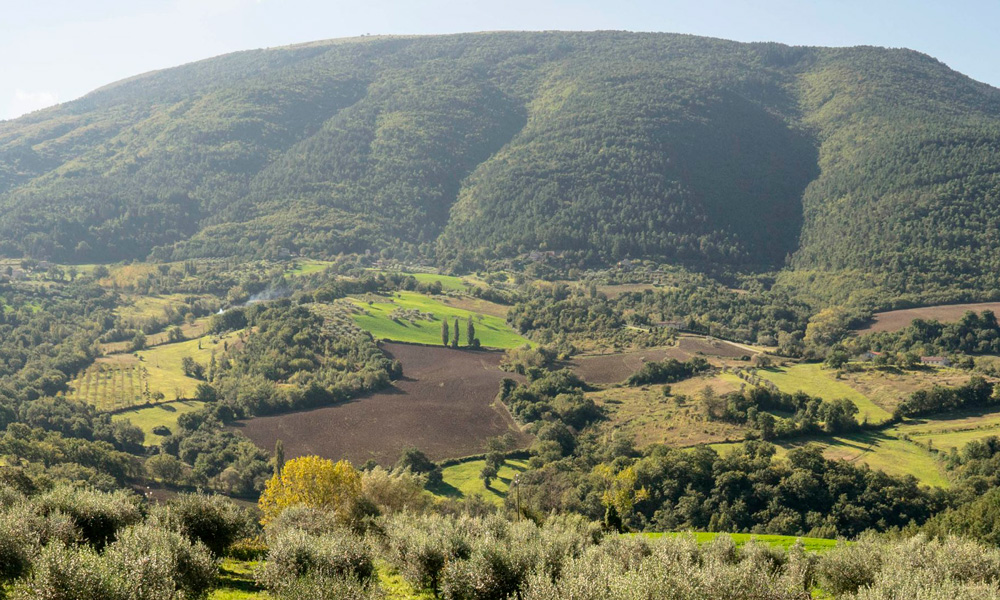
Upon arrival, the group will be welcomed at the agritourism where the participants will be staying for the entire week. Set among rolling hills, centuries-old olive groves and vineyards, the property will provide an authentic experience of the Umbrian countryside and an ideal starting point for the excursions planned in the following days.
After checking-in, there will be time to relax or enjoy a pleasant walk around the property settled in the Umbrian rural landscape, where traditional agricultural areas blend harmoniously with woodlands, meadows and small streams.
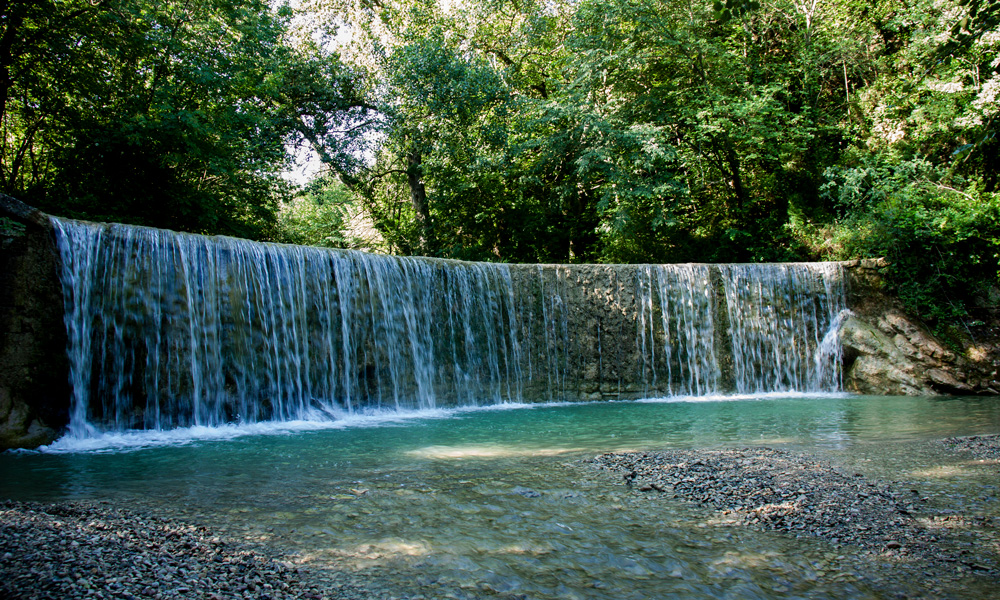
The first full day devoted to botanical exploration takes participants to the Regional Park of Mount Subasio, one of the most important orchidological sites in central Italy. Its extensive limestone meadows, mountain pastures and open woodlands support an extraordinary floristic richness, making the area of great interest to botanists and wild-orchid enthusiasts.
The morning excursion will follow sections of the trail leading to the Eremo delle Carceri, set within the woodlands of Mount Subasio. Along the route, participants will encounter different habitats and learn how the area’s distinctive limestone geology, altitude and centuries of traditional grazing have favoured the development of flora of exceptional natural value.
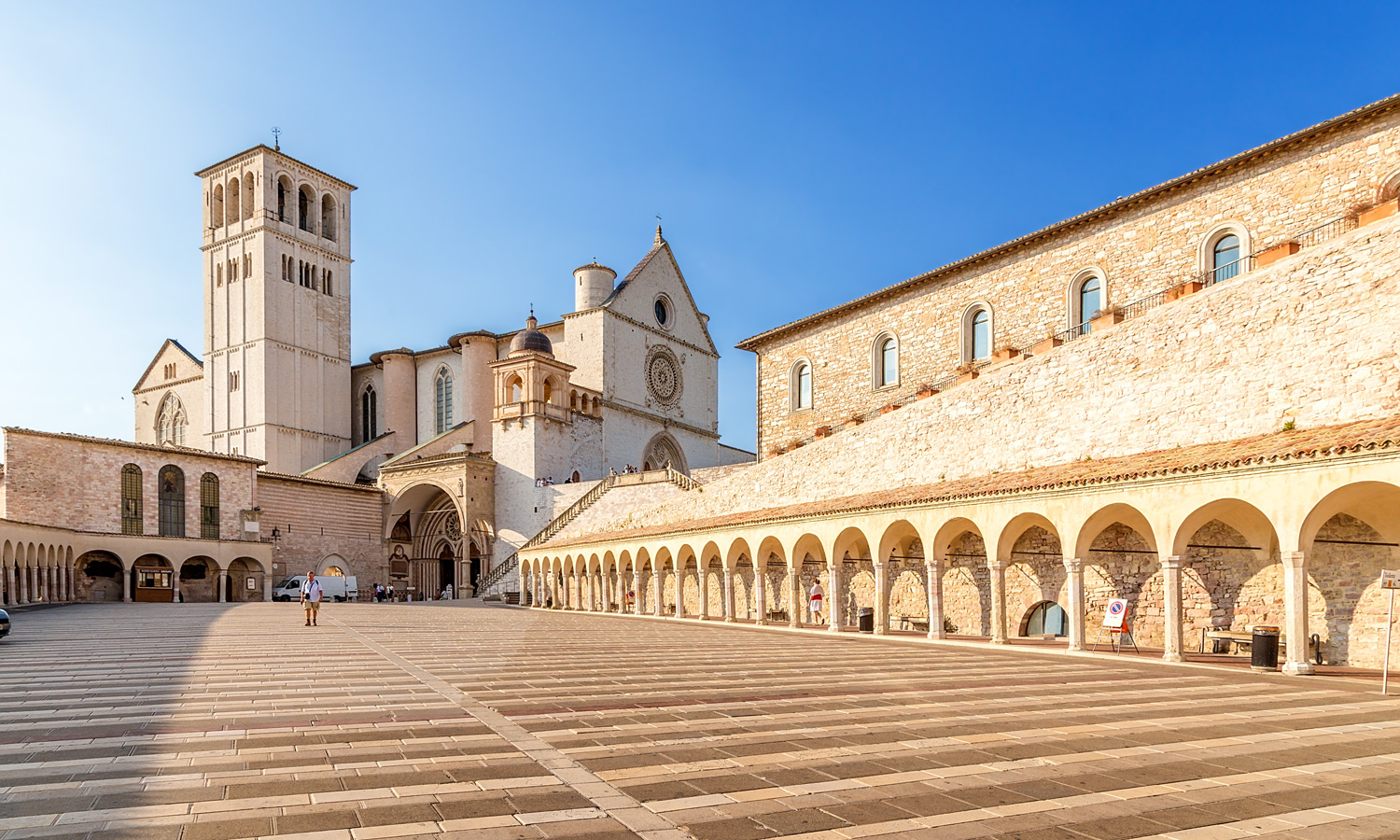
After a packed lunch prepared by the agritourism, the programme will continue with a guided visit to the Woods of Saint Francis, an extraordinary nature area managed by FAI at the foot of the Basilica of Saint Francis.
Ancient woodlands, meadows, olive groves and small streams create a landscape of great charm, where nature, art and spirituality coexist in remarkable harmony. The visit will provide a pleasant conclusion to the first day of botanical excursions before returning to the agritourism for dinner.
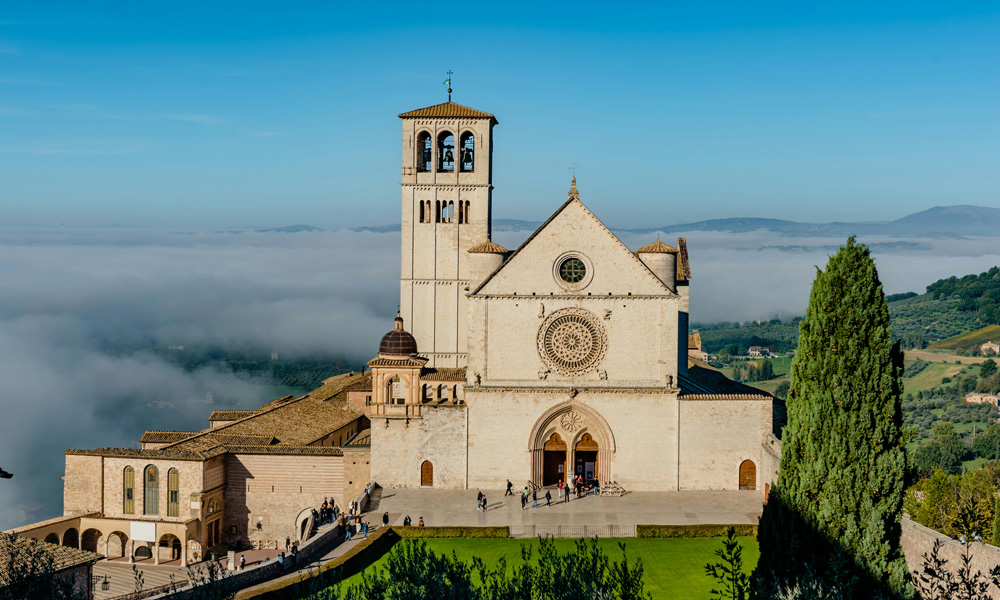
After the first days devoted mainly to botanical exploration, today’s programme offers the opportunity to discover the rich artistic, historical and spiritual heritage that has made Umbria famous throughout the world.
In the morning it will be scheduled a guided visit to Assisi, a UNESCO World Heritage site and universally known as the birthplace of Saint Francis, the patron saint of Italy. For more than eight centuries, Assisi has been one of Europe’s major spiritual centres, preserving a cultural, artistic and architectural heritage of extraordinary value.
Although the day is primarily dedicated to cultural experiences, the slopes of Mount Subasio will remain a constant presence along the route, highlighting the deep connection between the natural landscape and Franciscan history and spirituality. For centuries, these sites have been representing a remarkable balance between human presence and the conservation of nature.
In the afternoon, the tour will continue to Spello, one of Italy’s “Most Beautiful Villages”. Built from the characteristic pink stone of Mount Subasio and still enclosed within its ancient Roman walls, the village is renowned for its flower-filled lanes, elegant medieval architecture and magnificent views over the Umbrian Valley.
Today’s tour takes participants into the heart of the Sibillini Mountains National Park, one of the most important mountain areas of the central Apennines and among the botanically richest areas of peninsular Italy.
The morning excursion will focus on the beautiful Piana di Ragnolo, a vast mountain plateau that, in late spring, becomes an extraordinary mosaic of colours thanks to the flowering of numerous herbaceous species.
Accompanied by experienced botanical guides, participants will explore mountain meadows of exceptional natural value, learning more about the Apennine flora and how altitude, limestone geology and centuries of traditional grazing have contributed to the formation of these remarkably biodiverse habitats.
Depending on seasonal conditions and flowering, species such as Gymnadenia conopsea, Dactylorhiza sambucina, Platanthera chlorantha and Orchis mascula may be observed, together with numerous representatives of the Ophrys and Neotinea genera. These orchids share the mountain meadows with gentians, lilies, buttercups, anemones, wild peonies and many other characteristic species of the Sibillini flora.
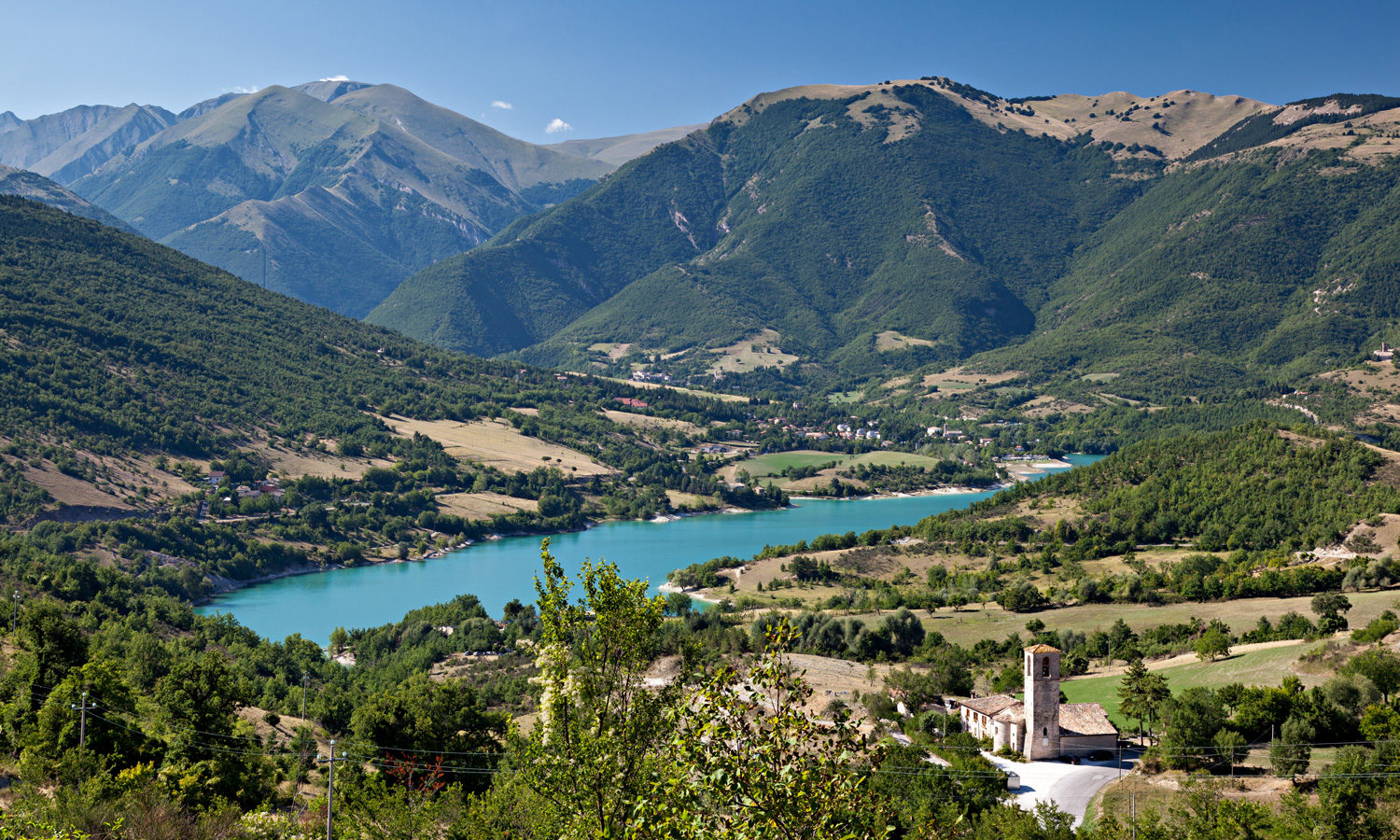
After a packed lunch surrounded by one of the most spectacular panoramas of the Apennines, the tour will continue towards the evocative Lake Fiastra: its turquoise waters create a striking contrast with the surrounding limestone mountains.
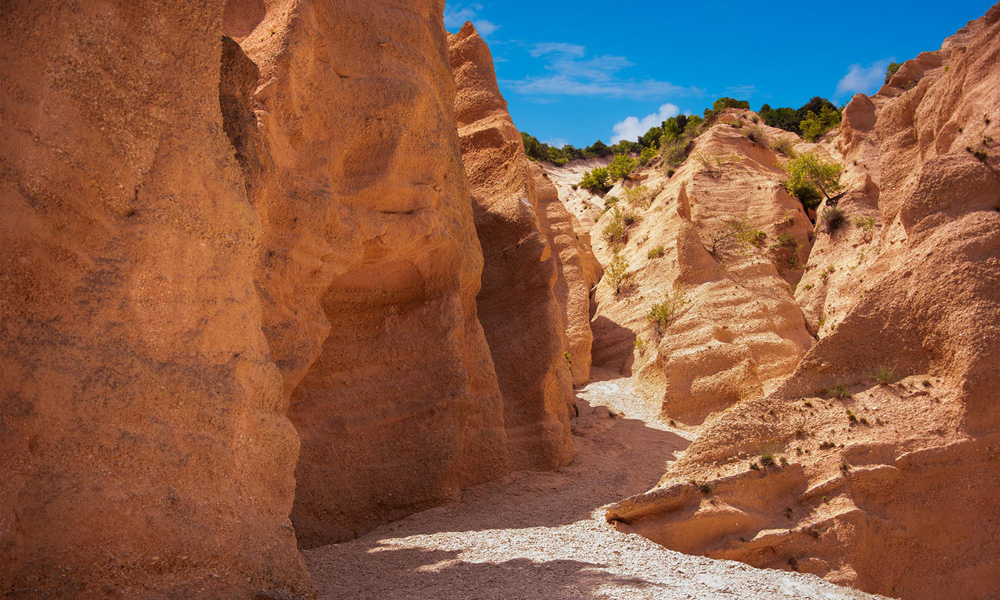
In the afternoon, a pleasant excursion to the spectacular Lame Rosse will follow. This is one of the most remarkable geological formations in Marche: imposing sandstone pinnacles shaped over millennia by the erosion caused by water and wind, creating a unique landscape often described as the “little canyon of Marche”.
The return to the agritourism will once again cross the extraordinary landscapes of the Sibillini Mountains, offering further opportunities to appreciate one of the most fascinating natural areas of central Italy.
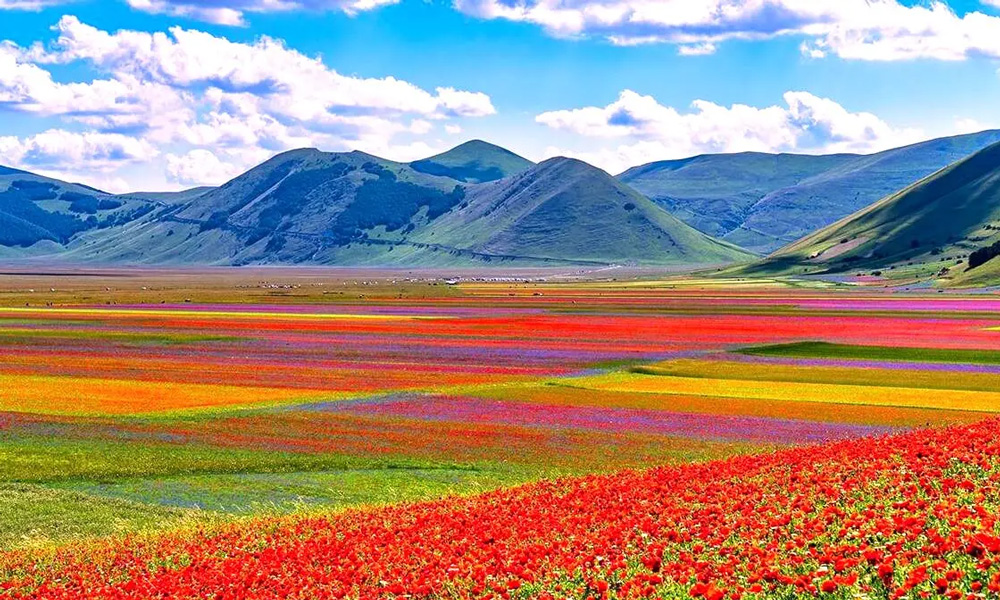
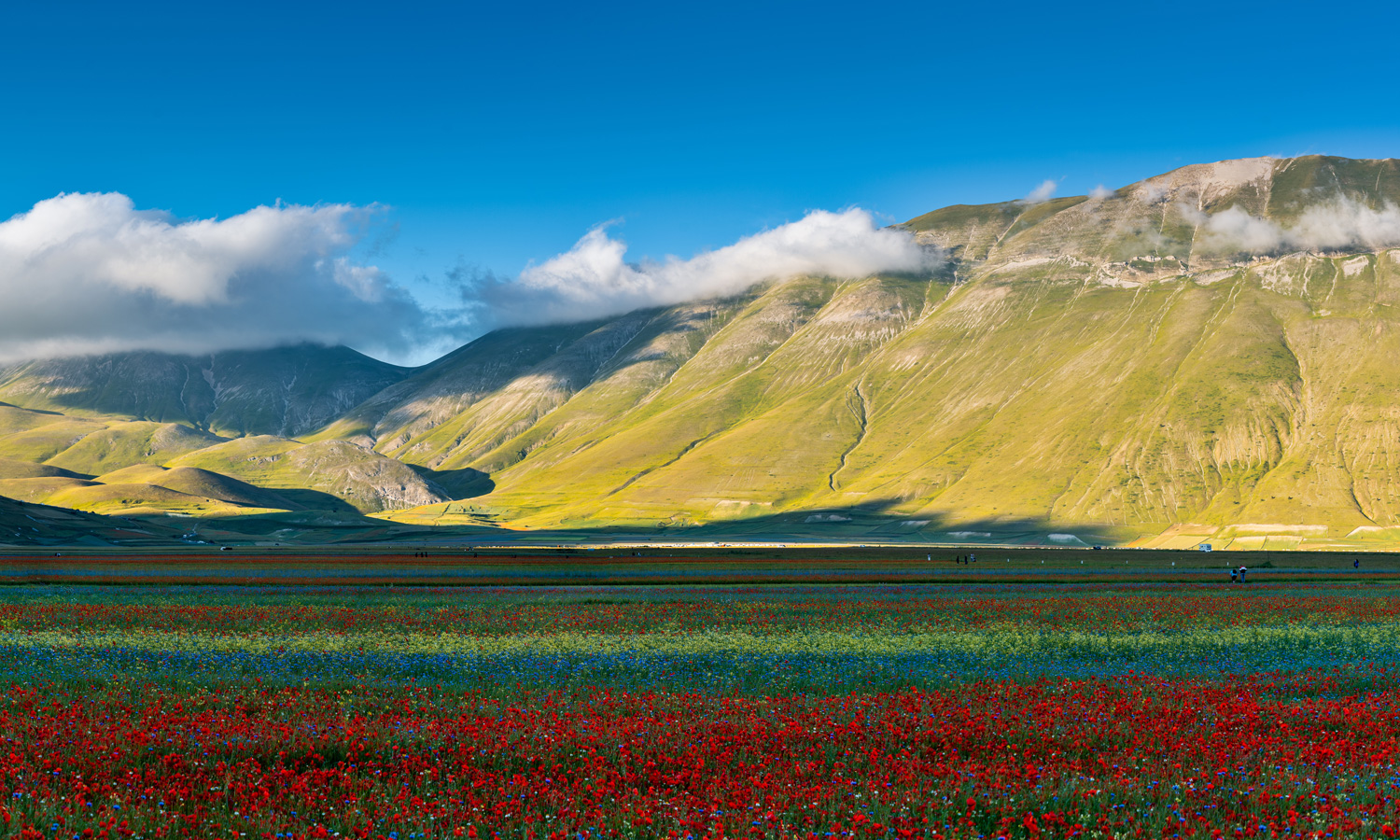
Few places in Europe evoke the beauty of extensive mountain flowering as strongly as the celebrated Castelluccio Plain of Norcia. Although it is known worldwide for the spectacular flowering of its lentils in early summer, this vast karst area also hosts one of the richest communities of wild flora and orchids in the central Apennines.
The morning will be dedicated to a panoramic walk across the Pian Grande and the surrounding meadows, where extensive pastures, gently undulating terrain and ancient transhumance routes create one of Italy’s most iconic natural landscapes.
Depending on seasonal trends and flowering conditions, participants may observe representatives of the genera Ophrys, Anacamptis, Gymnadenia, Dactylorhiza, Neotinea and Orchis, together with numerous other species characteristic of the Apennine mountain flora. In addition to its outstanding botanical interest, Castelluccio offers exceptional views, where the vast plateaus, changing light and mountain silhouettes create an ideal setting for nature photography.
Around lunchtime, the group will reach Norcia, a town renowned for its long-standing gastronomic traditions and closely associated with Saint Benedict, founder of Western monasticism.
After lunch in a traditional restaurant, participants will have free time to explore the historic centre before joining a guided visit focusing on the town’s history, medieval architecture and traditions that have characterised this important Umbrian Apennine centre for centuries.
In the late afternoon, the return to the agritourism will conclude one of the most evocative days of the journey, bringing together mountain landscapes, wild flora and cultural heritage.

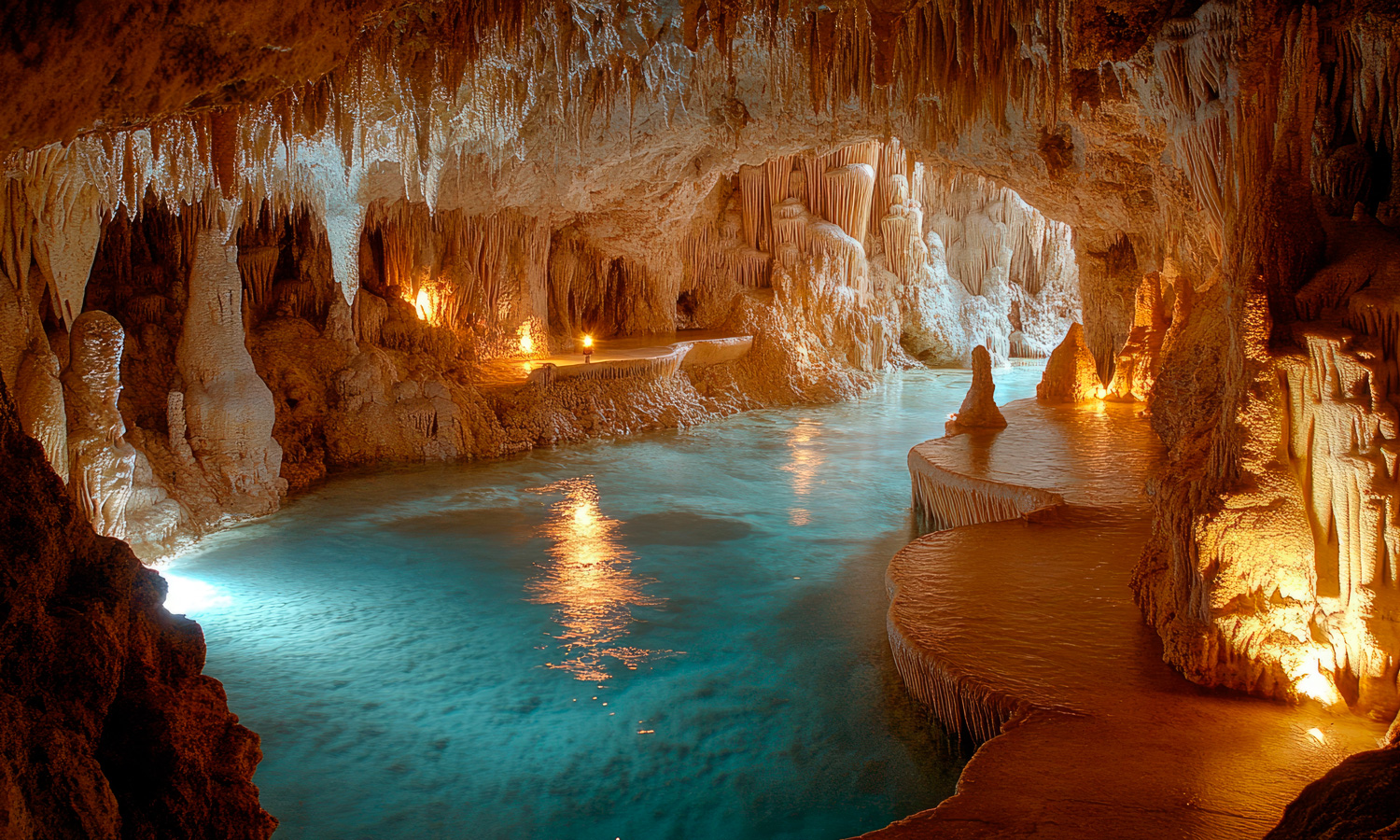
Today’s excursion takes participants across the regional border into Marche to discover one of Europe’s most spectacular karst complexes. The Frasassi Caves are among the most important geological wonders of central Italy and provide a fascinating complement to the mountain environments and limestone meadows previously explored.
The morning will be dedicated to a guided visit of this extraordinary underground world built over millions of years: here the continuous action of water has shaped immense chambers, crystal-clear pools, underground streams and spectacular limestone formations, creating a landscape of outstanding natural and scientific value.
The exceptional variety of habitats in the surrounding park supports flora of considerable interest. Although the day is primarily devoted to geological and landscape features, favourable conditions may allow participants to observe some wild orchid species along woodland edges and in limestone clearings, together with numerous other species belonging to the Mediterranean and Apennine flora.

The tour last day is focused on the extraordinary richness of the wild orchids of the central Apennines.
The morning will be devoted to exploring the Regional Park of Colfiorito, one of Umbria’s most botanically interesting areas and, for many years, a reference site for researchers and enthusiasts of wild orchids. Located on a broad karst plateau at approximately 800 metres above sea level, the park contains a remarkable variety of habitats, including wet meadows, pastures, limestone grasslands and small marshy areas.
Accompanied by a specialist botanical guide, participants will explore these habitats of high natural value in search of the many orchid species typical of this area. Depending on seasonal trends and flowering conditions, representatives of Ophrys, Anacamptis, Orchis, Neotinea, Gymnadenia and Dactylorhiza may be observed, together with a rich herbaceous flora typical of Apennine environments.
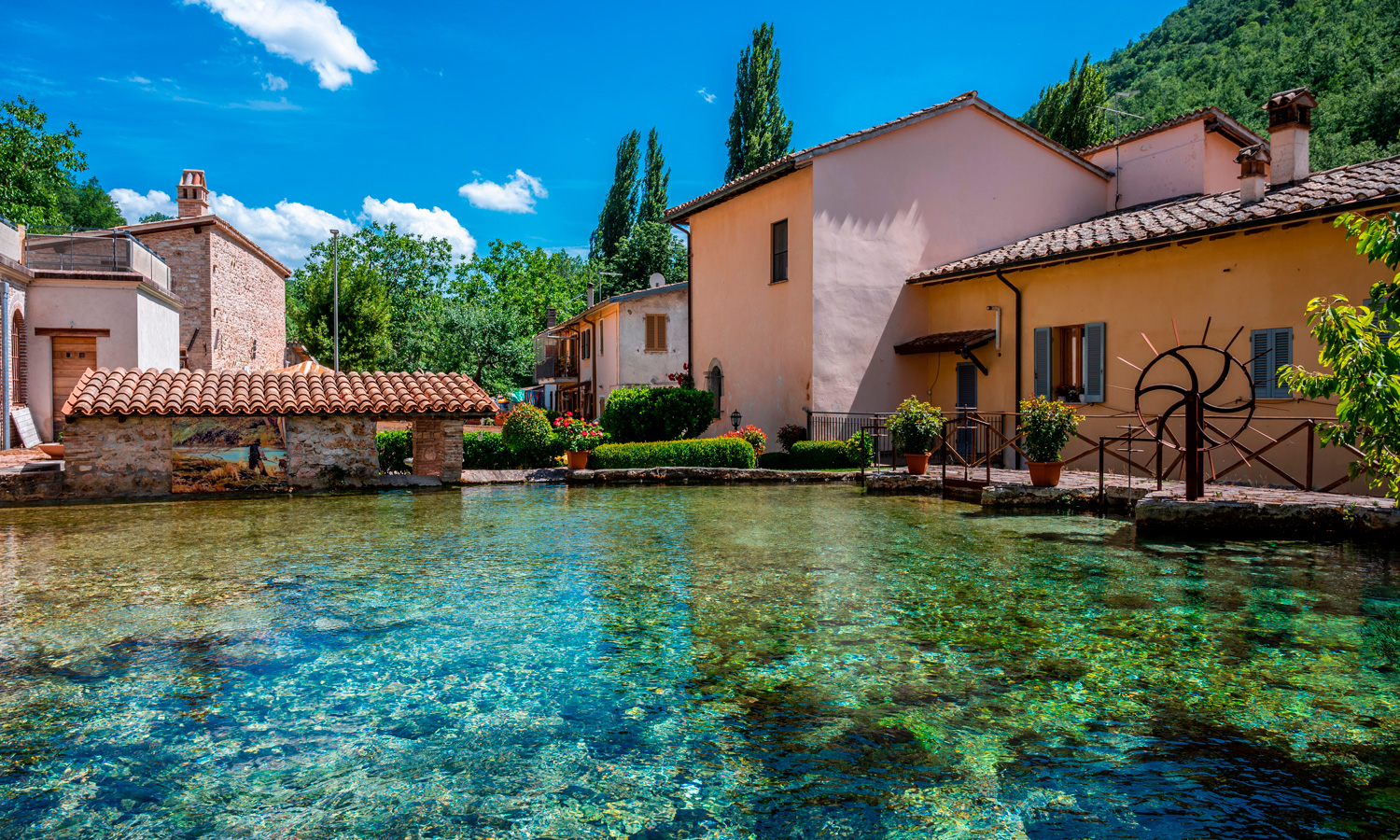
The day will continue towards Rasiglia, one of Umbria’s most distinctive villages, known as the “Little Venice of Umbria” due to streams and channels flowing through its historic centre.
A farewell dinner is scheduled in the evening, providing the group with the opportunity to share photographs, botanical observations and memories of a week spent discovering two of the most fascinating regions of central Italy.
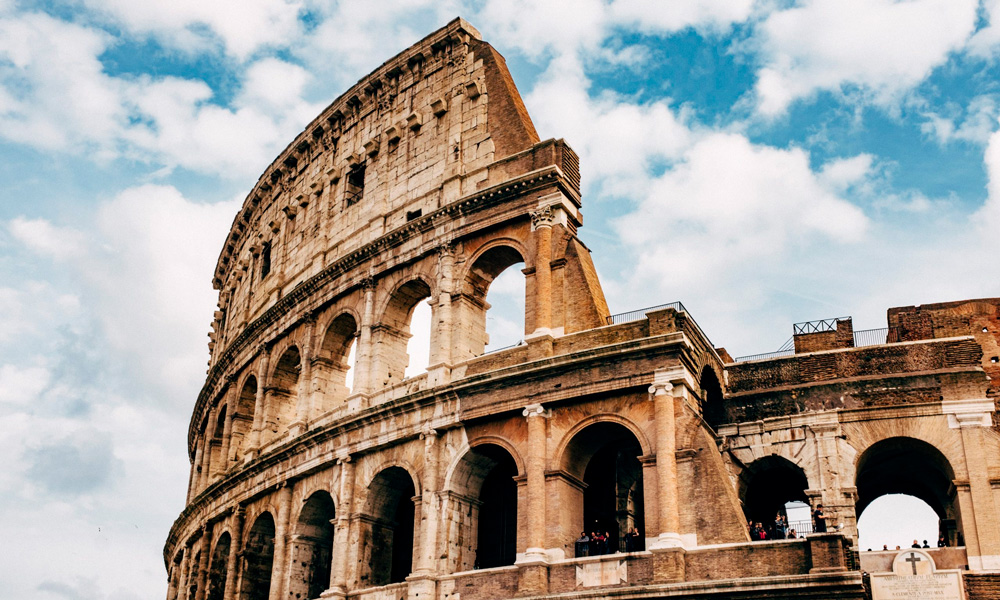
After breakfast and check-out, the group will leave Umbria and return to Rome.
The Wild Orchids of Umbria and Marche Tour is not simply an opportunity to observe numerous orchid species in their natural habitats. It is also a journey through landscapes shaped over centuries by the interaction between nature and people, where biodiversity, culture, spirituality and rural traditions still coexist in remarkable harmony.
We hope this experience will leave participants with lasting memories, new botanical knowledge and a desire to return and explore these extraordinary territories.
The tour has been thoughtfully designed to offer an authentic experience, both in the warm hospitality extended to participants and in the opportunity to discover the extraordinary wild orchids that are the true protagonists of the journey.
Accommodation has been carefully selected among high-quality hotels and country estates, all set within landscapes of exceptional natural beauty. Chosen for their comfort, elegance and quality of service, these properties provide the perfect setting for a relaxing and enjoyable stay.
The culinary experience is another distinctive feature of the tour. Meals included in the programme will showcase organic, locally sourced and seasonal ingredients, carefully selected to celebrate regional traditions and offer an authentic gastronomic experience that reflects the unique character of the landscapes explored throughout the journey.
—
We strongly recommend taking out comprehensive travel insurance, including cancellation fee, medical expenses and protection against other unforeseen circumstances.

ADDITIONAL INFORMATION
Participation fee does not include flights, transfers to and from the tour meeting point, travel insurance, personal expenses, drinks, meals not expressly mentioned, or any other service not explicitly listed among the inclusions.
The detailed programme, together with all practical information relating to the tour, will be sent to participants upon confirmation of registration.
BOOKING PROCEDURE
By clicking the “REQUEST A QUOTE” button and completing the contact form, the tour operator will provide you with a personalised quotation, payment instructions, and the final amount of the deposit required to confirm your booking.
To complete the reservation, participants will be required to pay the deposit according to the amount and payment instructions communicated by the tour operator via email.
CANCELLATION & REFUND POLICY
For cancellations made on or before 31 December 2026, a 100% refund of the amount paid will be issued.
For cancellations made between 1 January and 28 February 2027, 70% of the total participation fee will be refunded.
From 1 March 2027 onwards, no refunds will be available under any circumstances.
ORCHIDS TO DISCOVER
Botanical species
• A. Collina
• A. Coriophora
• A. Laxiflora
• A. Morio
• A. Papilionacea
• A. Pyramidalis
• C. Damasonium
• C. Longifolia
• C. Rubra
• D. Incarnata
• D. Romana
• D. Sambucina
• D. Viridis
• E. Atrorubens
• E. Helleborine
• E. Microphylla
• E. Muelleri
• E. Palustris
• E. Purpurata
• G. Odoratissima
• H. Adriaticum
• H. Hircinum
• L. Abortivum
• N. Lactea
• N. Maculata
• N. Tridentata
• N. Ustulata
• N. Nidus-avis
• N. Ovata
• O. Bertolonii
• O. Bombyliflora
• O. Exaltata
• O. Fuciflora
• O. Holosericea
• O. Incubacea
• O. Lutea
• O. Scolopax
• O. Sphegodes
• O. Speculum
• O. Italica
• O. Mascula
• O. Militaris
• O. Pallens
• O. Provincialis
• O. Purpurea
• O. Simia
• P. Bifolia
• P. Chlorantha
• S. Spiralis
• A. Collina
• A. Coriophora
• A. Laxiflora
• A. Morio
• A. Papilionacea
• A. Pyramidalis
• C. Damasonium
• C. Longifolia
• C. Rubra
• D. Incarnata
• D. Romana
• D. Sambucina
• D. Viridis
• E. Atrorubens
• E. Helleborine
• E. Microphylla
• E. Muelleri
• E. Palustris
• E. Purpurata
• G. Odoratissima
• H. Adriaticum
• H. Hircinum
• L. Abortivum
• N. Lactea
• N. Maculata
• N. Tridentata
• N. Ustulata
• N. Nidus-avis
• N. Ovata
• O. Bertolonii
• O. Bombyliflora
• O. Exaltata
• O. Fuciflora
• O. Holosericea
• O. Incubacea
• O. Lutea
• O. Scolopax
• O. Sphegodes
• O. Speculum
• O. Italica
• O. Mascula
• O. Militaris
• O. Pallens
• O. Provincialis
• O. Purpurea
• O. Simia
• P. Bifolia
• P. Chlorantha
• S. Spiralis
